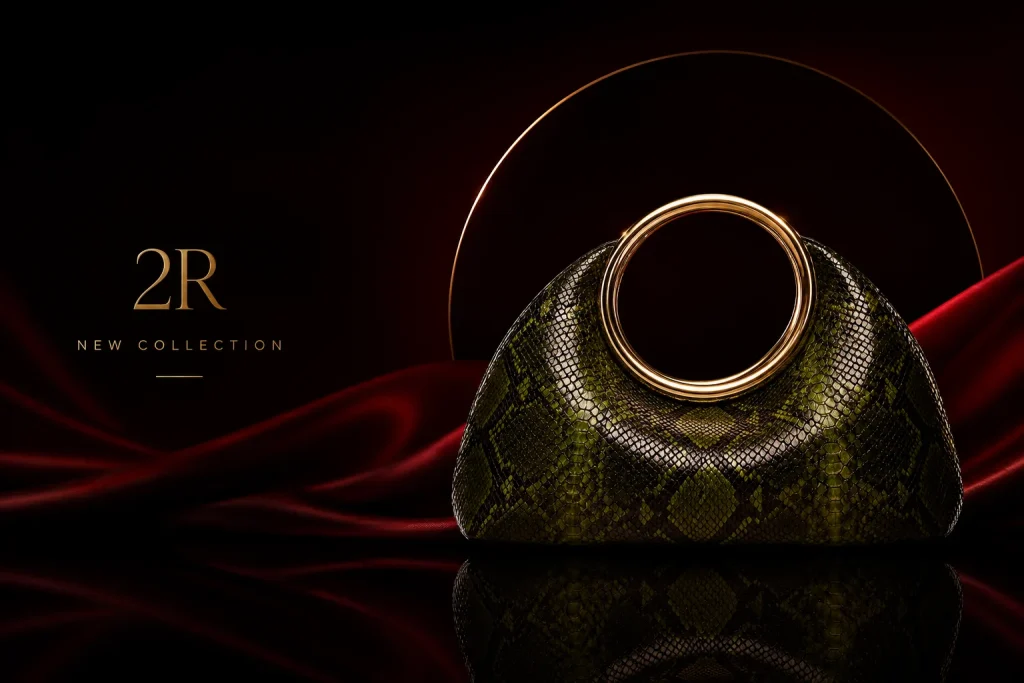
The Psychology of Luxury Fashion: Why We Desire Exclusive Brands

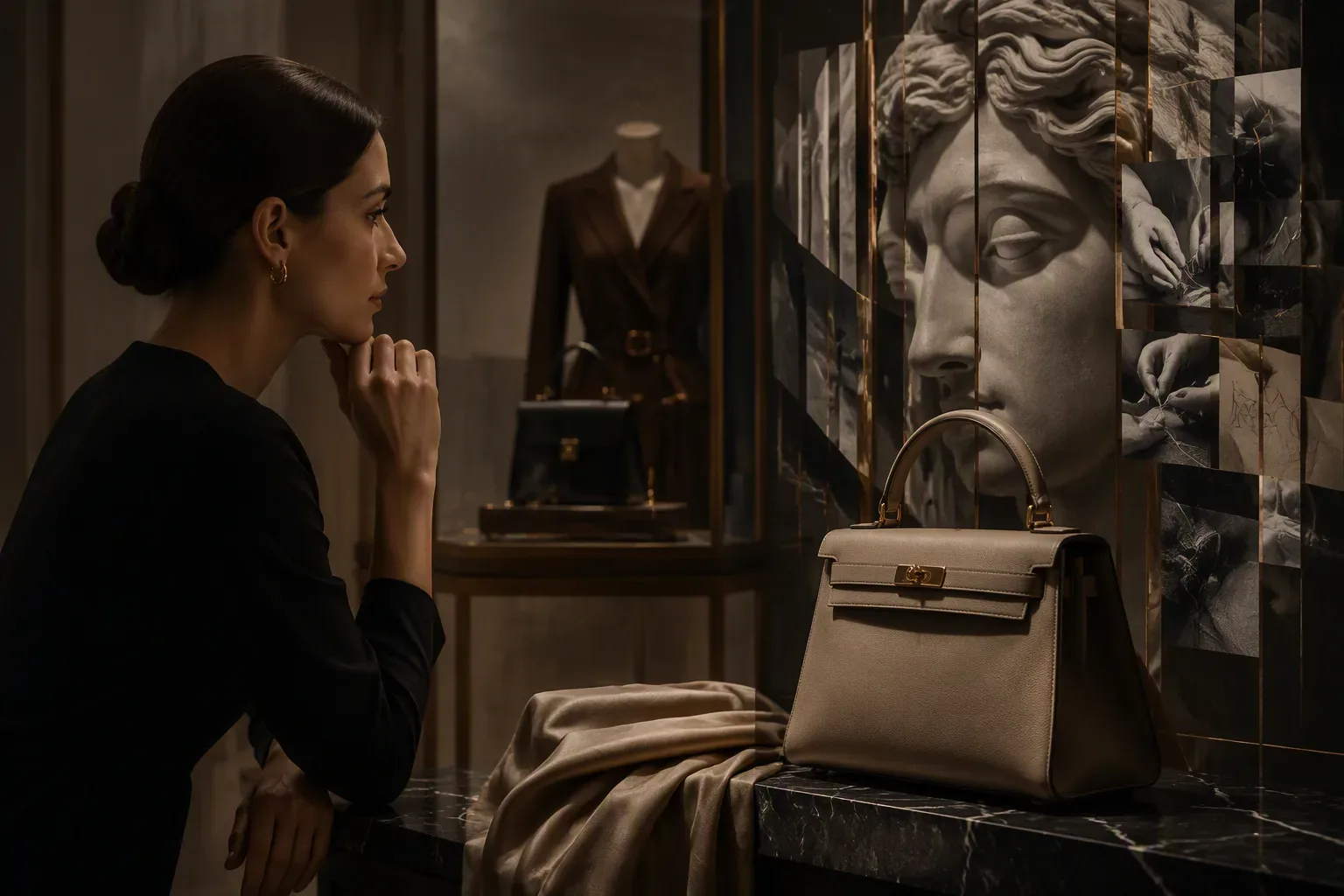
The Psychology of Luxury Fashion: Why We Desire Exclusive Brands
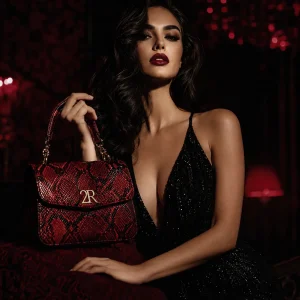
Luxury fashion psychology is more than an object in a box. It is a distilled emotion: anticipation, confidence, pride, and sometimes the quiet comfort of knowing a piece will outlast trends and seasons. From a finely calibrated leather bag to a perfectly cut blazer, the allure of luxury sits at the intersection of culture, craft, and the human mind. Why do we desire exclusivity? What compels us to reach for a scarce piece when an accessible alternative might suffice? Understanding the psychology of luxury fashion helps us make sense of a world where meaning and material intertwine.
For discerning clients, luxury is not simply a price point—it is a promise. A promise of enduring quality. A promise of belonging to a certain world. A promise that a product will carry a story worth telling. At 2R Brand, we see this promise as an art form, carefully composed from heritage, innovation, and responsible design. That art lives in every decision, from the silhouette to the stitch, and ultimately the experience of owning something treasured.
This editorial explores the emotional engines that power luxury fashion—status and signaling, scarcity and longing, identity and storytelling, neuroscience and sensation. It explains why exclusivity feels compelling, how brands responsibly shape that desire, and how clients can buy with both heart and intelligence. If you wish to discover how luxury becomes an intimate part of a life well lived, read on.
For a curated expression of this philosophy, you can discover our latest collections. Each piece reflects our conviction that true luxury should move you—visually, physically, and emotionally.
The Emotional Economy of Luxury
Luxury’s value stems not merely from function but from feeling. A coat keeps you warm; an exquisite coat changes how you carry yourself through winter. The difference lies in a complex emotional palette—elevation, serenity, reassurance, and a sense of being at your best. Psychologists often divide consumption into utilitarian and hedonic motives, and luxury sits comfortably within the latter. It provides pleasure beyond performance: the joy of owning something meticulously made, the thrill of rarity, the satisfaction of a perfect fit.
Luxury also offers emotional security. Craftsmanship implies trust. When a house is known for precision and fine materials, your decision feels safe, even years later. That trust is not accidental; it is earned through slow processes and rigorous standards. In a noisy market, this anchor is part of luxury’s quiet power.
Anticipation vs. Possession
One of the most fascinating patterns in luxury fashion psychology is how strongly we feel during the wait. Anticipation can produce more excitement than the moment of purchase itself. Neuroscience shows that reward anticipation activates key pathways in the brain; in some studies, the build-up generates a stronger response than the reward’s arrival. This explains why pre-orders, limited releases, and bespoke commissions can be so intoxicating: they stretch anticipation over time, turning the experience into a narrative with chapters and suspense. For a research perspective on anticipation and reward, see studies on reward circuitry such as neuroimaging research on anticipatory responses.
Brands can either amplify anticipation or dissipate it. Immediate gratification may satisfy quickly, but carefully designed waiting—balanced with transparency—often enhances meaning. Clients who savor the process frequently report deeper attachment to the piece they finally own.
The Role of Ritual
Luxury thrives on ritual: the unboxing, the first wear, the way you store and care for a piece. Rituals transform a product into a personal ceremony. The sharper the ritual, the more vivid the memory—and the bond. Consider how a hand-stitched bag feels when you learn how to condition its leather, or how a cashmere jacket becomes yours once it’s tailored to your shoulder line. Ritual bridges emotion and practice, ensuring your piece evolves with you. For longevity and care techniques, our Care Guide shares thoughtful, practical ways to maintain your wardrobe.
Status, Signaling, and Social Currency
For over a century, scholars have noted that luxury goods can act as social signals. Thorstein Veblen introduced the idea of conspicuous consumption—the performance of status through goods whose value rises with price. While the notion is sometimes oversimplified, the core insight remains relevant: certain objects communicate prestige, taste, and access.
In modern markets, status signaling has grown more nuanced. A study by Han, Nunes, and Drèze explored how brand prominence affects status signaling. Some clients prefer bold logos to signal outwardly; others gravitate toward “quiet luxury,” where subtle markers and materials speak to insiders. Both strategies rely on shared codes—what is recognized within a community as a mark of quality or culture.
Social media has complicated the picture. A logo once seen by a few may now reach millions, shifting the dynamics of exclusivity and display. The result: luxury signaling is less about broadcasting to everyone and more about resonating with the right audience. The most powerful signals are often those that harmonize with your own identity rather than shouting for attention. Exclusivity is increasingly defined by discernment, not decibels.
Scarcity and the Allure of the Unattainable
Scarcity concentrates attention. When an item is limited, our cognitive focus sharpens, imagining how life would feel with or without it. Psychological research describes the “scarcity principle,” where perceived rarity heightens desirability. This effect links to autonomy and freedom; when access is restricted, we value the object as a way to reclaim choice. For a concise definition, see the American Psychological Association’s entry on the scarcity principle.
Luxury brands use scarcity to protect meaning. If every piece were endlessly available, the story would flatten; scarcity preserves tension and taste. But the most responsible houses balance rarity with fairness and clarity. Manufactured scarcity without substance risks eroding trust. True scarcity stems from nature of the craft—limited materials, time-intensive techniques, or thoughtful editing of a collection.
Supply Scarcity vs. Demand Scarcity
There are two broad forms of scarcity. Supply scarcity occurs when production is inherently limited—rare fabrics, artisanal time, seasonal ateliers. Demand scarcity occurs when a piece sells out quickly due to strong interest. Both forms amplify desire, but their ethics and effects differ. Supply-based limitations connect to authenticity and craft; demand-driven scarcity can be a natural outcome of success or a marketing choice. Clients often respond more positively when rarity is a function of quality and process rather than artificial withholding.
Drop Culture and the New Tempo of Luxury
“Drop culture”—time-boxed releases announced with minimal notice—has reshaped desire. It creates theater, urgency, and shared excitement. While once associated with streetwear, this cadence now touches luxury, introducing a new rhythm to acquisition. The risk is fatigue; constant urgency can dull the senses. The opportunity is to use drops thoughtfully, aligning them with craft, narrative, and seasonality instead of relying solely on hype.
Identity Work and the Extended Self
We do not collect luxury pieces as trophies; we weave them into our sense of self. Psychologists describe the “extended self,” where possessions become part of personal identity. Clothing and accessories, being so close to the body and daily life, are particularly potent extensions. They can reinforce who we believe we are or who we aspire to become.
Consider a first serious blazer bought for a pivotal role, or a bag chosen to mark a milestone. These pieces become anchors in our narrative. They recall where we were, what we wanted, and how far we’ve come. When luxury is chosen with intention, its meaning compounds over time. This is why personal curation matters: your wardrobe can be a quiet museum of your life—dynamic, intimate, and selectively displayed.
At 2R Brand, we believe identity is best expressed through coherence, not excess. Our editorial notes in the 2R Brand Journal explore how to build a wardrobe that articulates your style language—one that evolves with your days rather than racing after them.
The Neuroscience of Desire
Desire is not abstract; it’s embodied. Anticipation engages dopaminergic pathways, particularly those tied to reward expectations. Research in affective neuroscience shows that cues linked to valued outcomes can heighten arousal and focus. When a client sees a piece that resonates—a texture, a silhouette, a signature stitch—the brain primes for reward. Overexposure to cues can dull this effect; careful curation keeps desire fresh and meaningful. For an accessible starting point, explore studies on anticipatory reward processing.
Luxury also interacts with the “pain of paying.” When a price feels justified by craftsmanship and longevity, psychological friction decreases. Conversely, when a purchase feels impulsive or performative, friction increases after the fact. The healthiest luxury experiences respect this balance, making the purchase feel aligned with values, not merely exciting in the moment.
Craft, Materiality, and Sensory Gratification
Luxury lives and breathes in the sensory field. The cool gloss of a horn button, the grain of a full-grain leather, the weight of a fine chain: these are signals that bypass debate and speak directly to the body. Material integrity matters because it is felt ten thousand times over the life of a piece. Each wearing becomes a tactile confirmation of value.
Craftsmanship is also a language, and details are its vocabulary. A rolled edge that won’t collapse, a seam with precise tension, a lining that glides against the skin—these choices accumulate into a decisive experience. Sensory pleasure does not negate practicality; it elevates it. Pieces that delight the senses are often those that perform impeccably.
Care is the companion to craft. Proper conditioning, storage, and repair extend a product’s life and deepens its bond with you. Our Care Guide shares practical methods for leather nourishment, fabric maintenance, and responsible storage so that luxury remains luxurious through years of wear.
Storytelling, Heritage, and Cultural Capital
Luxury is as much narrative as it is material. A brand’s history, founding beliefs, and design ethos accumulate into cultural capital—knowledge and appreciation that elevate both the wearer and the work. When you wear a piece with a storied lineage, you align yourself with that tradition. This is not nostalgia; it is context. Meaning thrives where stories connect the object to ideas larger than trend cycles.
Responsible storytelling is grounded in truth: verifiable craft processes, authentic ateliers, and a design language that evolves without abandoning its roots. This integrity is how heritage lives on. If you wish to understand our philosophy and history, we invite you to read About 2R Brand, where our values and approach are laid out with clarity and care.
Price as a Feature, Not a Bug
Price in luxury is not merely a barrier; it is part of the product. It signals the input of rare materials, the discipline of small-batch production, and the costs of sustaining craft communities. Consumers often infer quality from price, and sometimes the experience of paying more can increase perceived value—a phenomenon observed in research on price-placebo effects. For example, experiments have shown that higher prices can heighten perceived efficacy in certain contexts; see studies on marketing placebo effects for a deeper dive into how expectation shapes experience.
None of this absolves brands from justification. Price should be transparent and defensible, reflecting execution and durability. Clients rightly scrutinize whether cost maps to substance. When it does, price becomes a reassuring proxy for standards you cannot see—supply chain integrity, responsible labor, and the patience required to make something truly worthy.
The Risk and Relief of Authenticity
Authenticity sits at the heart of luxury value. A counterfeit may copy appearance but cannot replicate the chain of trust that validates materials, workmanship, and warranty. The global trade in counterfeit goods harms artisans and erodes consumer confidence. For scope and impact, consult OECD research on counterfeit trade.
Serious houses invest in authentication processes, serialized components, and traceable sourcing. Clients, too, play a role: purchase from trusted retailers, keep documentation, and service your pieces at authorized workshops. 2R Brand stands firmly for authenticity, offering guidance and support through our client services. If you need assistance or wish to verify a purchase, you can contact our team for expert help.
Digital Luxury and the Paradox of Access
Digital platforms have democratized luxury’s front door. Livestreams, virtual try-ons, and editorial content bring atelier stories to the screen, cultivating global communities. Yet access creates a paradox: how do brands maintain exclusivity in an always-on, always-available world? The answer lies in curation. Not everything must be visible at once. Digital elegance means editing, releasing thoughtfully, and maintaining depth rather than infinite breadth.
Influencers now function as cultural editors. Their credibility hinges on taste and transparency. For industry-wide perspectives on shifts in digital and luxury, reports such as McKinsey’s The State of Fashion explore how technology reshapes discovery, conversion, and loyalty.
Community is the new velvet rope. Private digital salons, limited-access previews, and bespoke services translate exclusivity into modern terms. Rather than erecting blunt barriers, brands coax depth: deeper knowledge, deeper fit, deeper loyalty.
Sustainability and the New Ethics of Desire
Luxury has a responsibility to reconcile desire with stewardship. The most elegant answer is durability: create pieces that last, repair easily, and age beautifully. This approach aligns both with clients’ long-term interests and with broader environmental goals. Research shows fashion’s climate footprint remains significant; see analyses such as McKinsey and partners’ work on fashion and climate for a data-driven view.
Clients can shape demand for better: choose fewer, finer pieces; prioritize responsible materials; and support brands that invest in traceability and fair work. At 2R Brand, we design for longevity and serviceability, and we continue to develop our repair pathways so your wardrobe remains not just beautiful but wise.
Culture, Gender, and Market Nuances
Desire is universal, but its expressions vary. In some markets, logo-forward pieces remain the dominant signal of success; in others, quiet luxury is the preferred dialect. Cultural capital—what a community values—shapes which cues signify taste. Gender dynamics also affect luxury’s role. For instance, men’s luxury often orients around performance cues—engineering, technical fabrics, construction—while women’s luxury may emphasize craftsmanship and versatility. These patterns are not prescriptions; they are tendencies that help interpret how signs function within groups.
Generationally, Gen Z and younger millennials bring fresh expectations: ethical clarity, digital fluency, and community engagement. They still value status, but increasingly define it as insider knowledge and alignment with values. Luxury that resonates speaks to these expectations without losing its poise.
How to Buy Luxury Smarter
Luxury should be lived in—intelligently. Here are principles that align emotion with reason:
- Define your wardrobe language. Identify silhouettes, colors, and textures that consistently empower you. Luxury amplifies your identity; it should not rewrite it.
- Prioritize craft you can feel. Examine stitching, edges, linings, hardware—sensory proofs of quality that age well.
- Choose longevity over novelty. A piece that works across seasons and settings yields both pleasure and value.
- Consider provenance. Ask how materials are sourced and where the piece is assembled. Authenticity and traceability are integral parts of modern luxury.
- Budget with intention. Plan your acquisitions. Anticipation will sharpen your choices and reduce regret.
- Maintain with care. Learn storage and conditioning techniques; schedule professional service when needed. Our Care Guide is a helpful companion.
- Document and insure. Keep receipts, certificates, and appraisals. Protect the story and the asset.
How Brands Should Design Desire—Responsibly
Luxury brands hold cultural influence. With that comes responsibility. Design desire around substance: durable materials, fair labor, and honest storytelling. Use scarcity where it arises naturally—from craft and capacity—not as a mask for inadequate quality. Respect clients’ intelligence: invite them into the process, share context, and encourage care and repair. When desire is anchored in integrity, it sustains both brand and community.
At 2R Brand, our approach is simple: create pieces that elevate life with restraint and purity. We invest in design decisions that feel as good in the tenth year as in the first. Exclusivity, for us, is not about making many feel excluded; it is about making the right work for those who appreciate it deeply.
Case Vignettes: How Luxury Signals, Feels, and Endures
Quiet Luxury vs. Logo Statements
A client chooses between a logo-forward tote and a minimally branded counterpart with superior leather and edge finishing. The tote with overt branding offers immediate social recognition; the quieter bag prioritizes materials, tactile pleasure, and an insider signal. The better choice depends on the client’s social world and personal style language. If their circles prize understatement, the quiet piece will age more gracefully in meaning and appearance.
The Bespoke Jacket
Another client invests in a bespoke jacket, waiting eight weeks for fittings and hand-finishing. The anticipation fosters attachment; the result, perfectly tuned to their posture and proportions, becomes a lasting staple. Scarcity here is not hype; it is the inevitable outcome of time and skill. Years later, the jacket’s lining still glides as it did on day one, and the piece accrues patina and memory.
A Limited Drop Done Right
A brand releases a capsule crafted from surplus luxury fabrics, each piece numbered and documented. The drop sells out, but the narrative remains clear: responsible use of rare materials, transparent quantities, and a commitment to quality over scale. Clients trust such scarcity because it aligns with values, not just velocity.
Conclusion: Desire, Defined
Luxury fashion psychology is a study in nuance. We desire exclusivity not because we crave exclusion, but because we seek meaning: a connection to craft, a sense of belonging, the thrill of anticipation, the pleasure of materials, and a story that reflects who we are. The best luxury does not shout; it resonates. It becomes a companion—a witness to our milestones and a participant in our daily rituals.
As you shape your wardrobe, consider desire as a compass rather than a command. Let it guide you toward pieces that honor your life. And if you wish to explore a collection curated with these principles in mind, discover 2R Brand collections. For more perspectives on design, heritage, and care, visit our Journal and About pages. Luxury, when chosen well, is not a rush; it is a rhythm.
FAQs
What does luxury fashion psychology mean in practical terms?
It refers to the motives and emotions behind luxury choices: status signaling, identity expression, sensory pleasure, anticipation, and trust in craftsmanship. Understanding these dynamics helps you buy with intention and enjoy your pieces more.
Is desire for exclusive brands always about status?
No. Status is one factor, but many clients prioritize craft, heritage, and personal meaning. “Quiet luxury” reflects a shift toward inward satisfaction and subtle signals recognized by a discerning audience.
How can I tell if a luxury item is worth the price?
Look for verifiable craftsmanship, material quality, serviceability, and design longevity. Ask about provenance and care guidelines. If a piece delivers excellence over years rather than months, the price often reflects real value.
Does scarcity always increase desirability?
Often, but not always. Scarcity grounded in genuine craft can elevate meaning; artificial scarcity risks backlash. Evaluate whether rarity comes from process, materials, or simply marketing.
What role does storytelling play in luxury?
Storytelling provides context and cultural capital. It links the object to heritage, design philosophy, and community. Authentic stories enhance attachment and elevate the experience of ownership.
How can I buy luxury more responsibly?
Choose fewer, better pieces; maintain them well; support brands with transparent sourcing and fair labor; and consider resale or repair. Responsible luxury values longevity and stewardship.
Are counterfeits just about price savings?
No. Counterfeits undermine artisans and erode trust. They lack the quality, warranty, and traceability that define true luxury. Buy from trusted retailers and keep documentation to protect your investment.